-
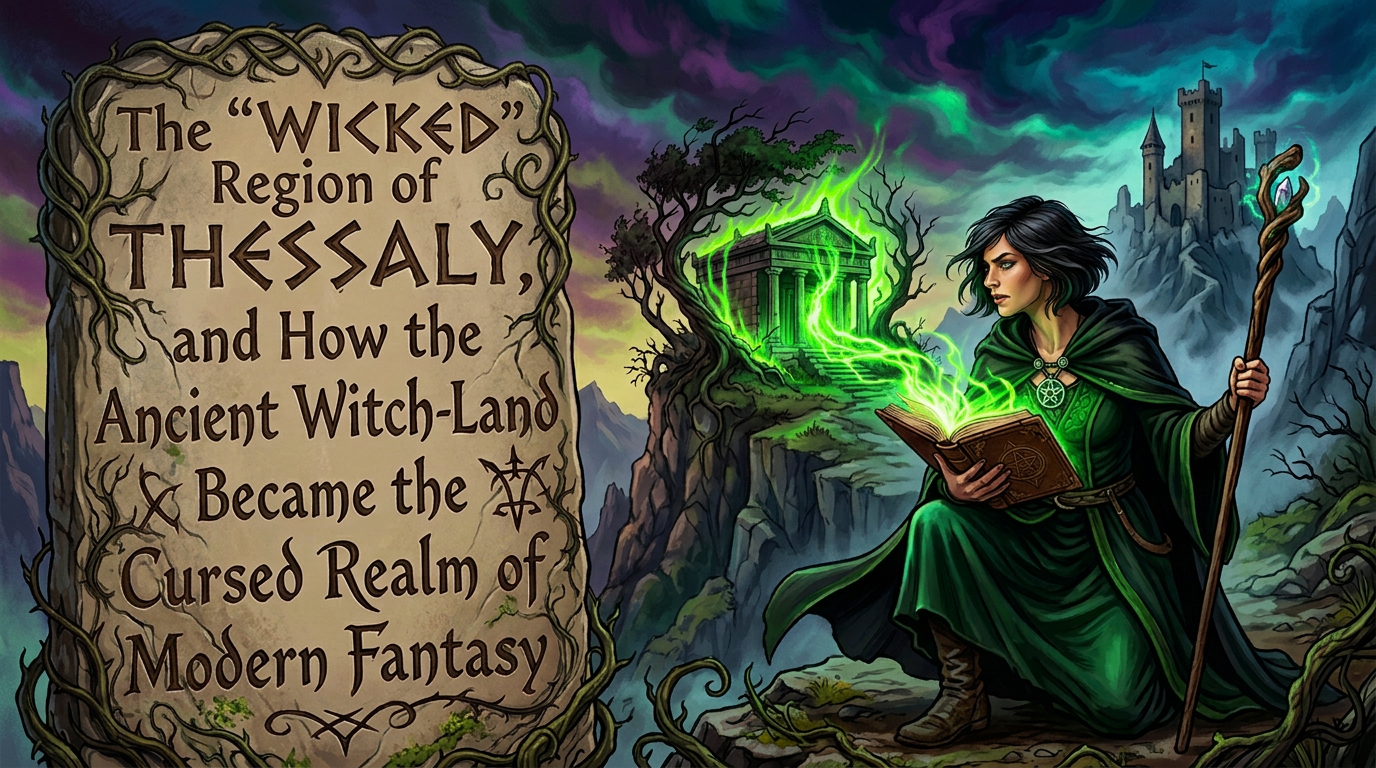
In the classical world, the Greek province of Thessaly was imagined as a land of witches who drew the moon from the sky. This trope analysis traces how that ancient idea of the magical region became the cursed forest and wicked sorcerous realm of modern fantasy, from Mirkwood to Thay.
-
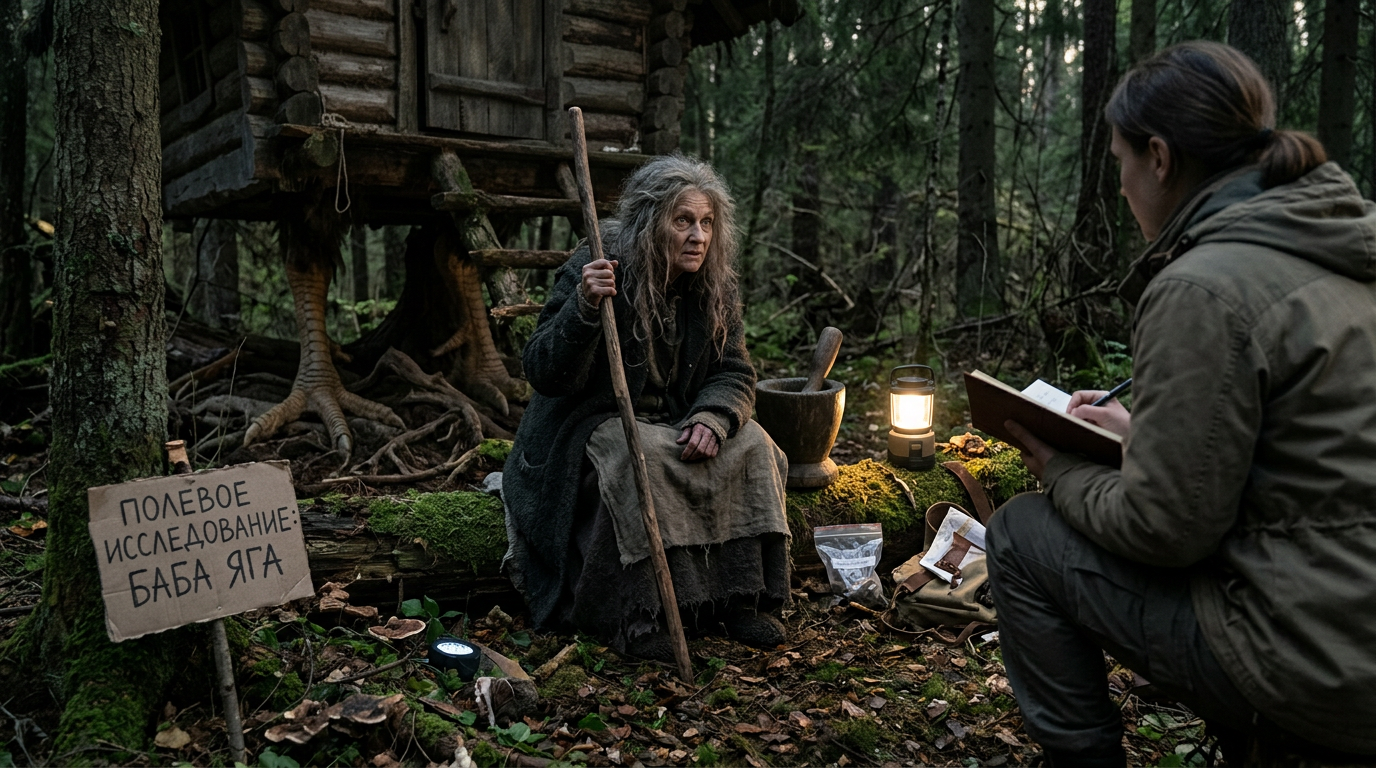
Baba Yaga, the ambiguous crone of the chicken-legged hut, is the supreme figure of the Slavic dark — devourer and helper at once. This field study examines her tales and attributes, and asks why Slavic folklore runs darker than the West: harder land, harder history, and a better-preserved, less-sanitized pagan root.
-
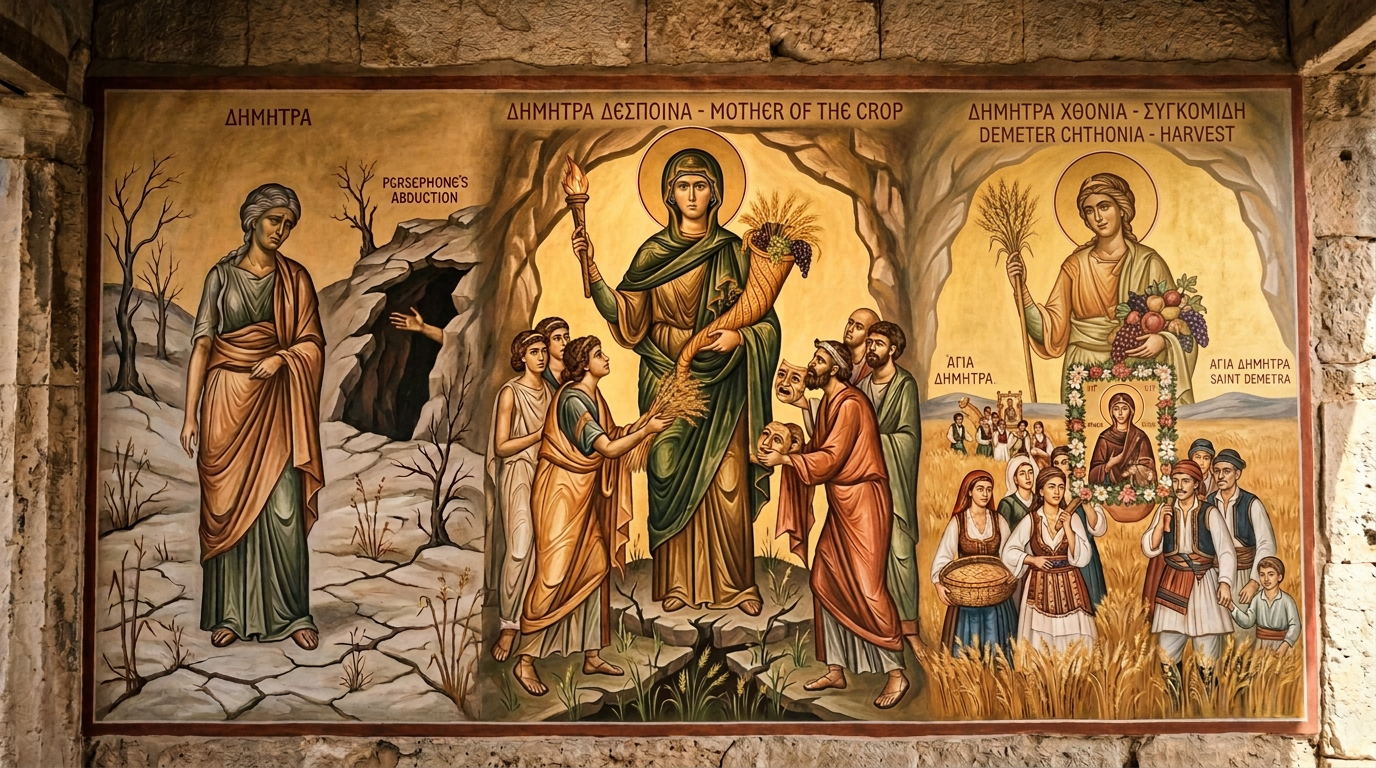
Demeter, Greek goddess of the grain, let the whole earth go barren in grief when Hades abducted her daughter Persephone. Their myth explained the seasons and anchored the Eleusinian Mysteries. This field study traces the harvest-mother, her darker Arcadian faces, and her survival as folk-venerated “Saint Demetra” into modern times.
-
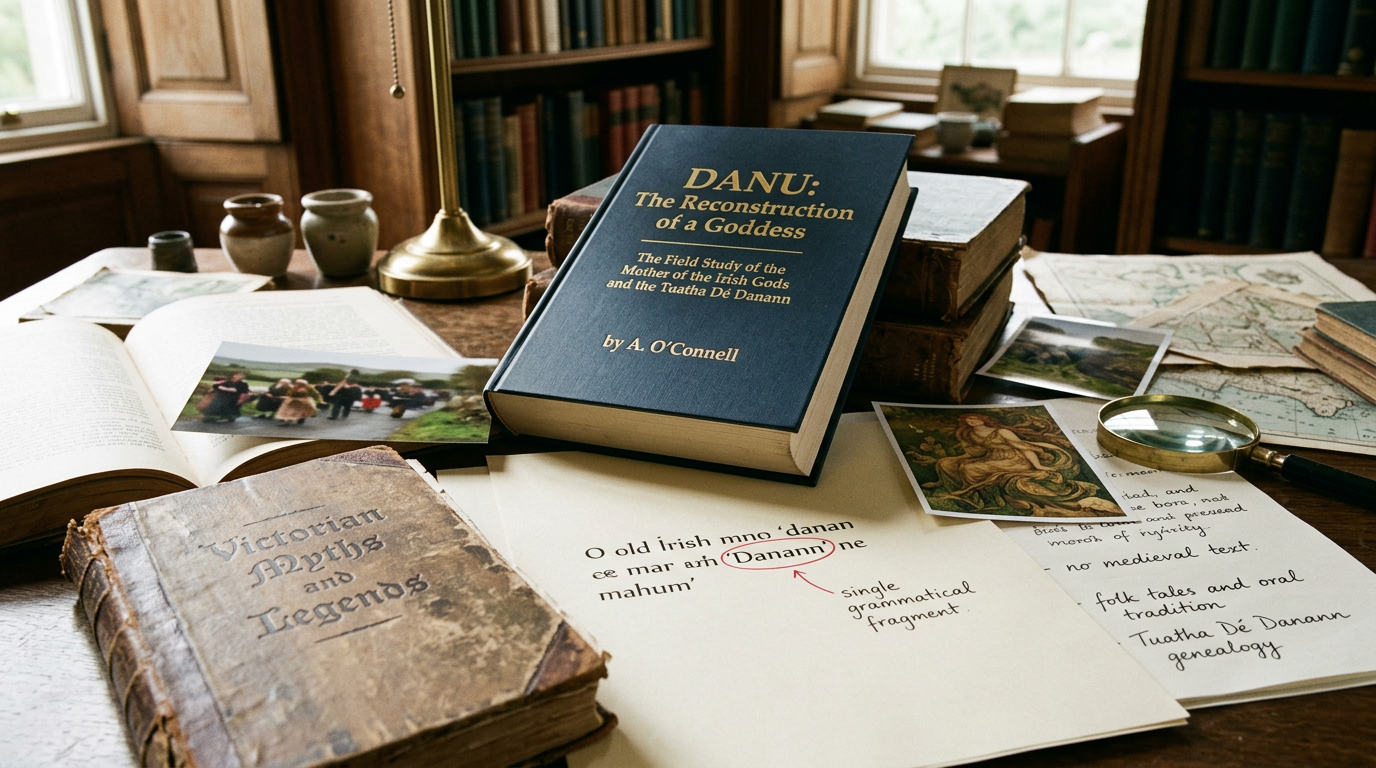
Danu, mother of the Irish gods, gave her name to the Tuatha Dé Danann — yet appears in no medieval text and has no myth of her own. This field study examines a goddess reconstructed from a single grammatical fragment, the tales of the folk she named, and her Victorian reinvention.
-

Ceridwen, the enchantress of Welsh legend, kept the cauldron of Awen — poetic inspiration. When her servant Gwion Bach stole the gift meant for her son, a shape-shifting chase ended in his rebirth as the poet Taliesin. A study of a muse, a tale, and a living Welsh tradition of inspiration.
-

Mabon, the modern neopagan festival of the autumn equinox and the second harvest, was named only in the 1970s — yet it gathers genuinely ancient materials: the equinox of the astronomers, the harvest rites of the folk, the Welsh youth Mabon ap Modron, and the descent myth of Demeter and Persephone.
-
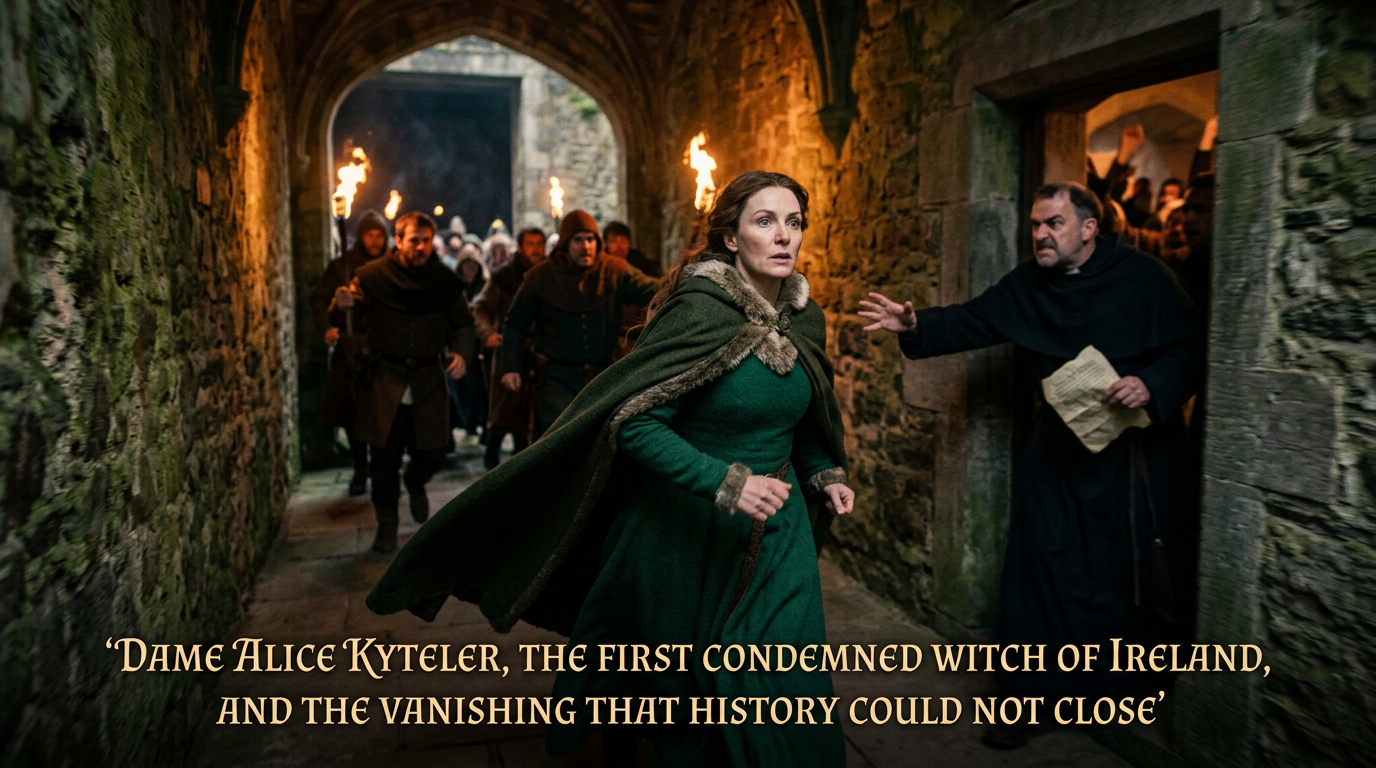
Dame Alice Kyteler, the first person condemned for witchcraft in Ireland, escaped before her 1324 sentencing while her servant Petronilla de Meath burned in her place. This field study reconstructs the wealthy widow behind the accusation, weighs the motives that doomed her, and asks whether she survived and fled abroad.
-
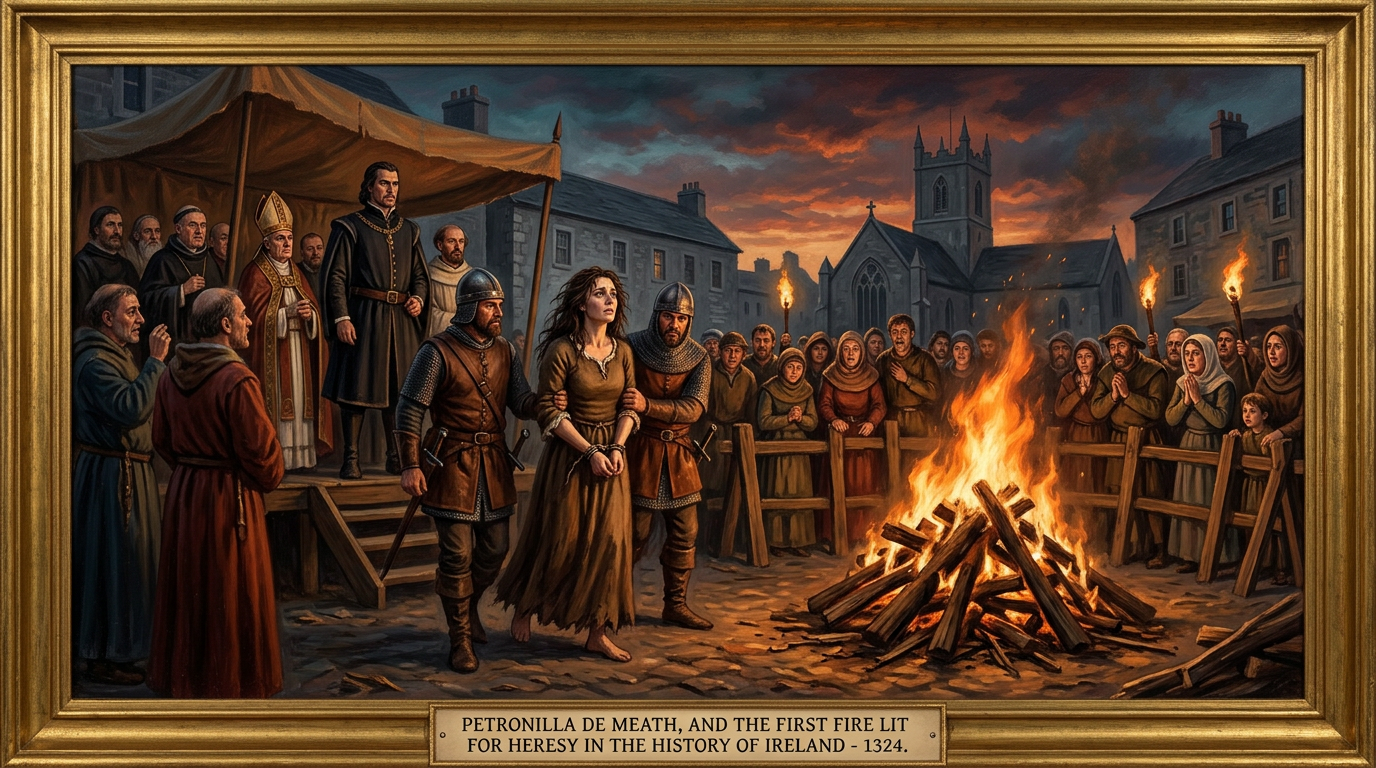
Petronilla de Meath, servant of Dame Alice Kyteler, was tortured into confession and burned at Kilkenny on 3 November 1324 — the first death by fire for heresy in Ireland and the British Isles. This study reclaims her from footnote to subject: the powerless woman burned because she could not run.
-
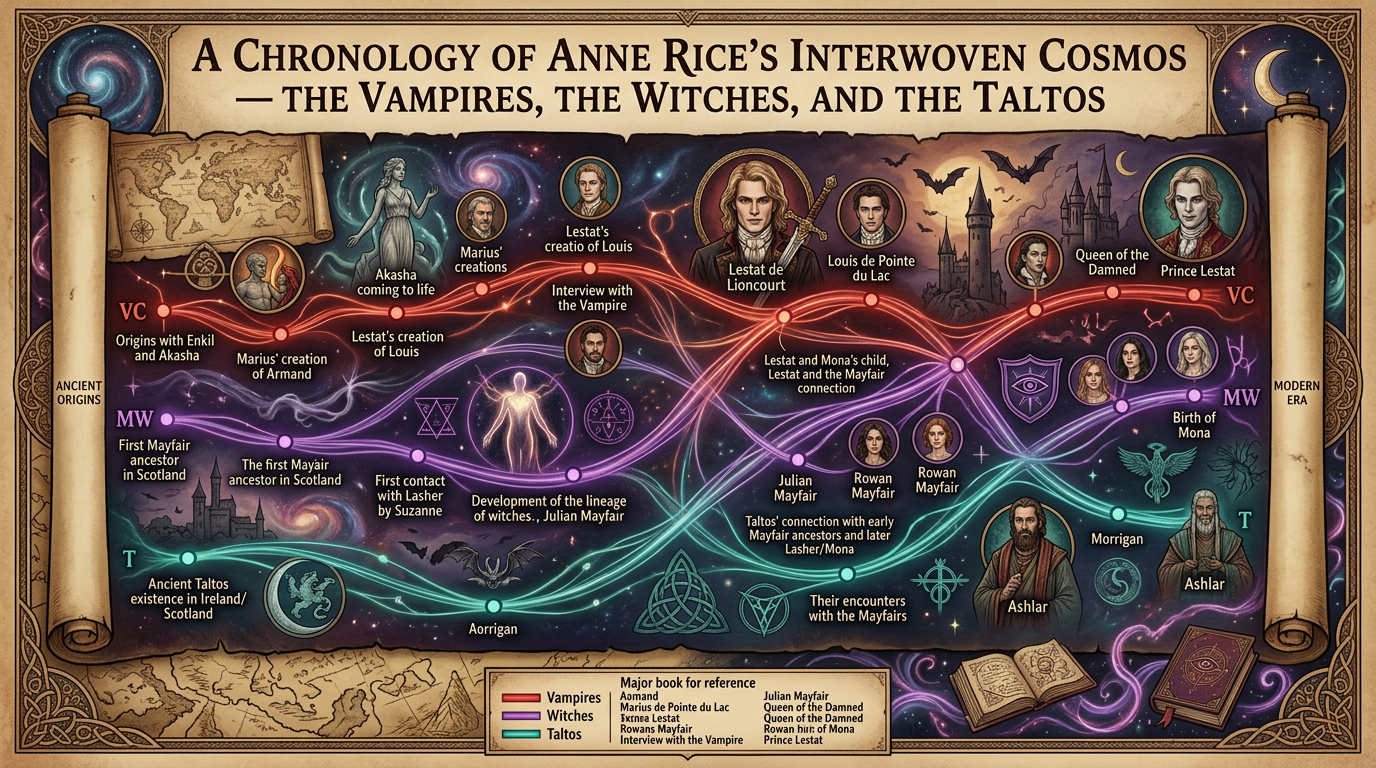
A companion register ordering Anne Rice’s interwoven cosmos two ways: by internal chronology, from ancient Egypt to the millennial confluence of the vampires, witches, and Taltos; and by the order of publication, 1976 to 2018. The Talamasca threads throughout, and three crossover novels mark where the twin sagas formally converge.
-
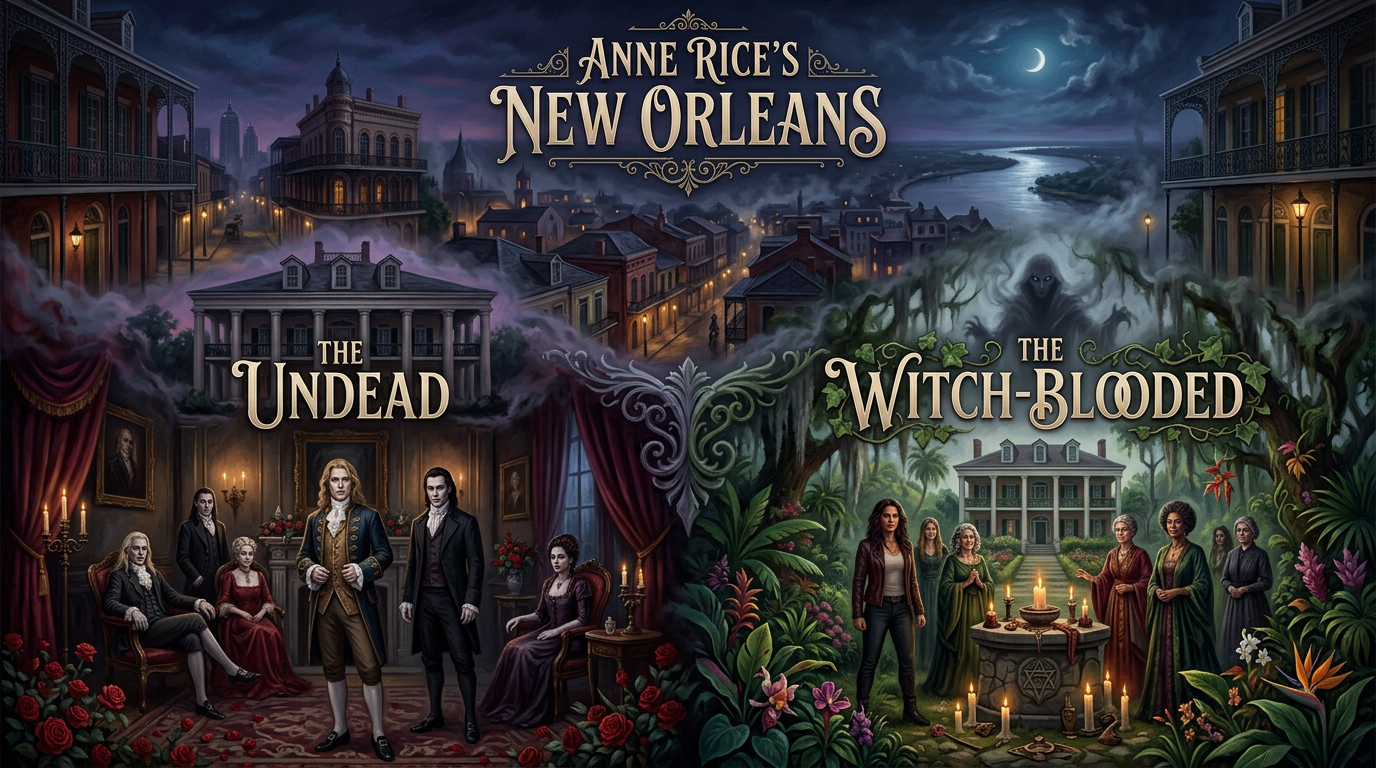
Anne Rice’s vampire and Mayfair witch sagas are twin dynasties drawn from one soil: Catholic, decaying New Orleans. Both are genealogies of cursed blood — the made undead, the born witch-blooded — joined by a shared city, a watching scholarly order, and a lifelong meditation on grief, inheritance, and the Southern past.